how do you pronounce tinea versicolor Tinea versicolor ring worm homeopathic treatment
Tinea versicolor is a common skin condition that is caused by an overgrowth of yeast on the skin. It can happen to anyone at any age, but it is most common in teenagers and young adults. The symptoms of tinea versicolor include patchy discoloration of the skin, with areas that may be lighter or darker than the surrounding skin. The affected areas may also be itchy or scaly, and can be located on the chest, back, arms, and neck.
How to Get Rid of Tinea Versicolor
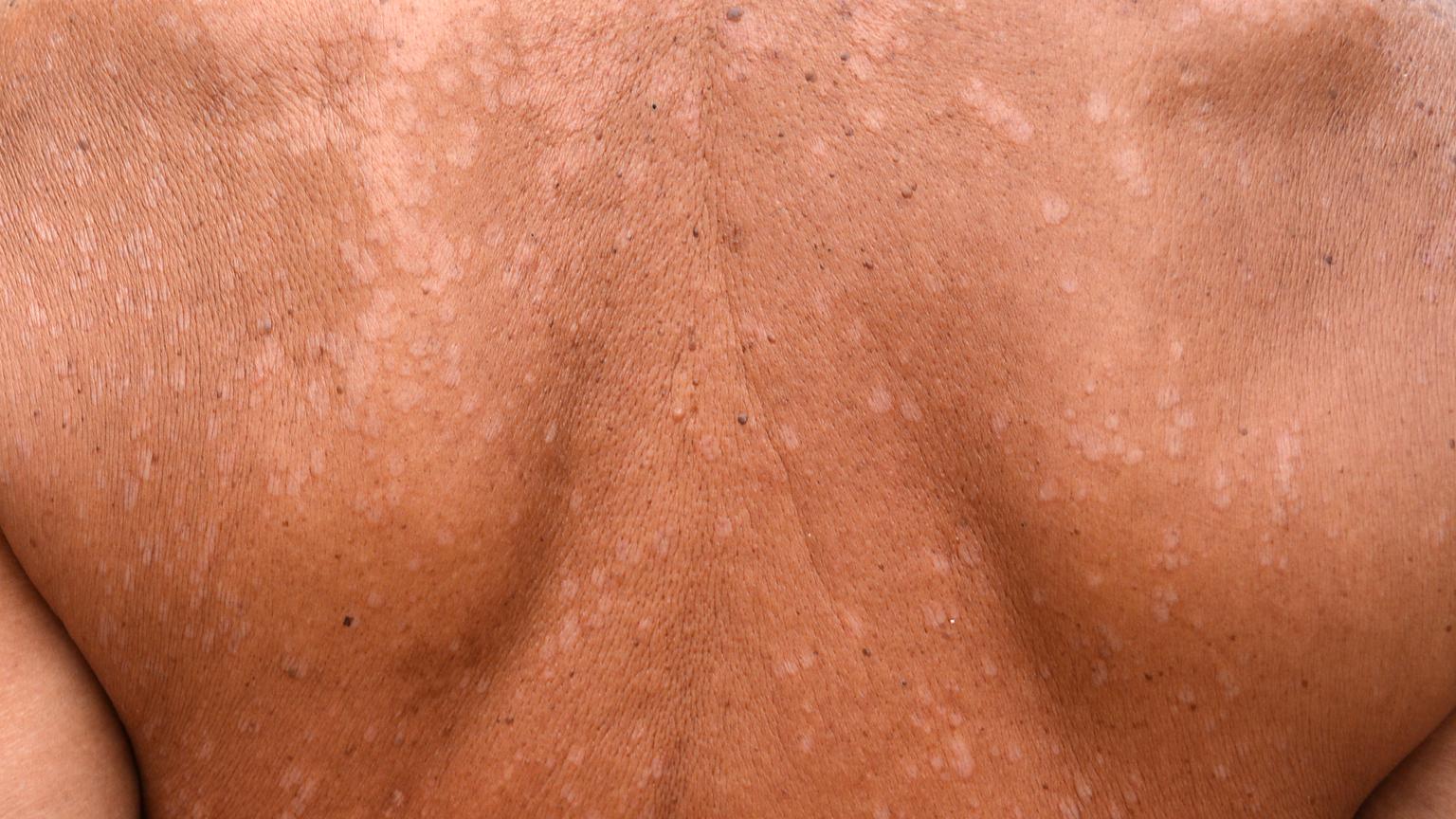 If you have tinea versicolor, there are several things you can do to get rid of it. The first step is to use an anti-fungal cream or lotion, such as ketoconazole or terbinafine. These medications are available over-the-counter or by prescription, depending on the severity of your condition. Apply the cream or lotion to the affected areas of the skin as directed by your doctor or pharmacist.
In addition to using an anti-fungal cream or lotion, you can also take steps to prevent the growth of yeast on your skin. This includes keeping your skin clean and dry, wearing loose-fitting clothing, and avoiding excessive sweating. It may also be helpful to avoid using oily or greasy products on your skin, as these can provide a breeding ground for yeast.
Symptoms and Causes of Tinea Versicolor
 The symptoms of tinea versicolor can vary from person to person, but they usually include patchy discoloration of the skin. This can be either lighter or darker than the surrounding skin, and may be more noticeable after exposure to sunlight. Other symptoms may include itching, scaling, or peeling of the skin.
The exact cause of tinea versicolor is not known, but it is believed to be related to overgrowth of yeast on the skin. Certain factors may increase your risk of developing tinea versicolor, such as living in a warm and humid environment, having oily skin, or using oily or greasy products on your skin.
Diet Tips for Tinea Versicolor
In addition to using anti-fungal creams and lotions, and taking steps to prevent the growth of yeast on your skin, there are also some diet tips that may be helpful in treating tinea versicolor. Some foods, such as sugar and refined carbohydrates, can contribute to the growth of yeast on your skin. Other foods, such as probiotics and foods rich in vitamin D, may help support a healthy balance of bacteria on your skin.
For best results, it is important to work with your healthcare provider to develop a comprehensive treatment plan for tinea versicolor. This may include prescription medications, over-the-counter creams and lotions, or dietary changes. With proper treatment and management, most people are able to successfully treat tinea versicolor and prevent recurrences.
If you suspect that you may have tinea versicolor, please consult with your healthcare provider for a proper diagnosis and treatment plan.
If you are looking for Tinea Versicolor: Causes, Symptoms, Diagnosis, & Treatment you’ve came to the right page. We have 5 Pics about Tinea Versicolor: Causes, Symptoms, Diagnosis, & Treatment like How Do You Get Tinea Versicolor – Naturasil, Tinea Versicolor: Causes, Symptoms, Diagnosis, & Treatment and also Tinea Versicolor: Causes, Symptoms, Diagnosis, & Treatment. Here it is:
Tinea Versicolor: Causes, Symptoms, Diagnosis, & Treatment
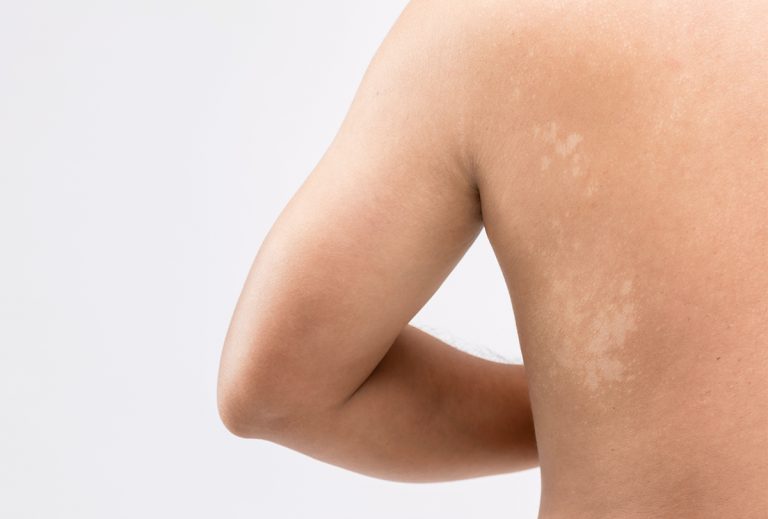 www.emedihealth.comtinea versicolor symptoms symptom patches darker
Tinea Versicolor | GUT BRAIN HEALING With PROFESSOR SUNDARDAS
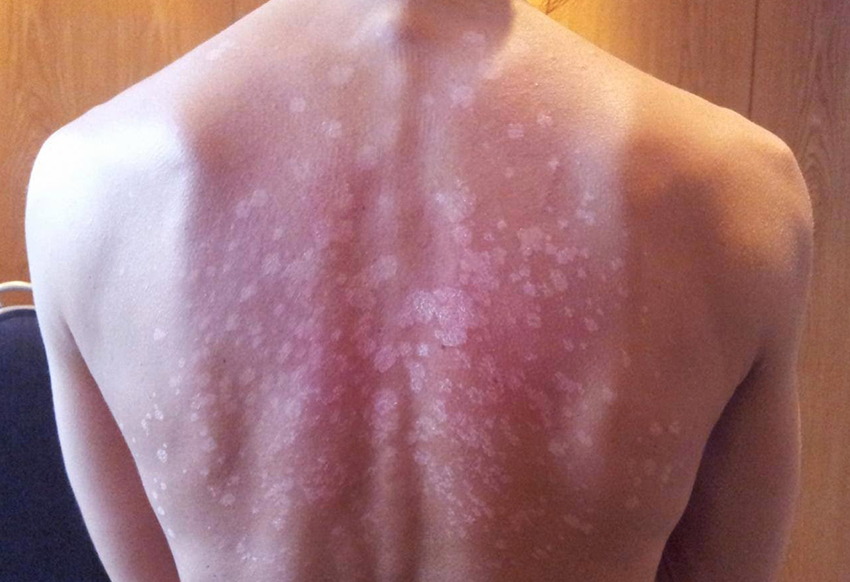 blog.drsundardas.comtinea versicolor
How To Get Rid Of Tinea Versicolor + Symptoms, Causes, And Diet Tips
www.stylecraze.comtinea versicolor stylecraze
TINEA VERSICOLOR RING WORM HOMEOPATHIC TREATMENT
 www.askdrmakkar.cominfection tinea fungal leg versicolor worm ring skin treatment look homeopathic tan discolored askdrmakkar
How Do You Get Tinea Versicolor – Naturasil
www.naturasil.comtinea versicolor delving
How do you get tinea versicolor – naturasil. How to get rid of tinea versicolor + symptoms, causes, and diet tips. Tinea versicolor